
Quality control for makeup sponge and powder puff B2B orders
Quality control for makeup sponge and powder puff orders starts before production. Confirm specifications, reference samples, tolerances, packaging, and inspection points before mass production.
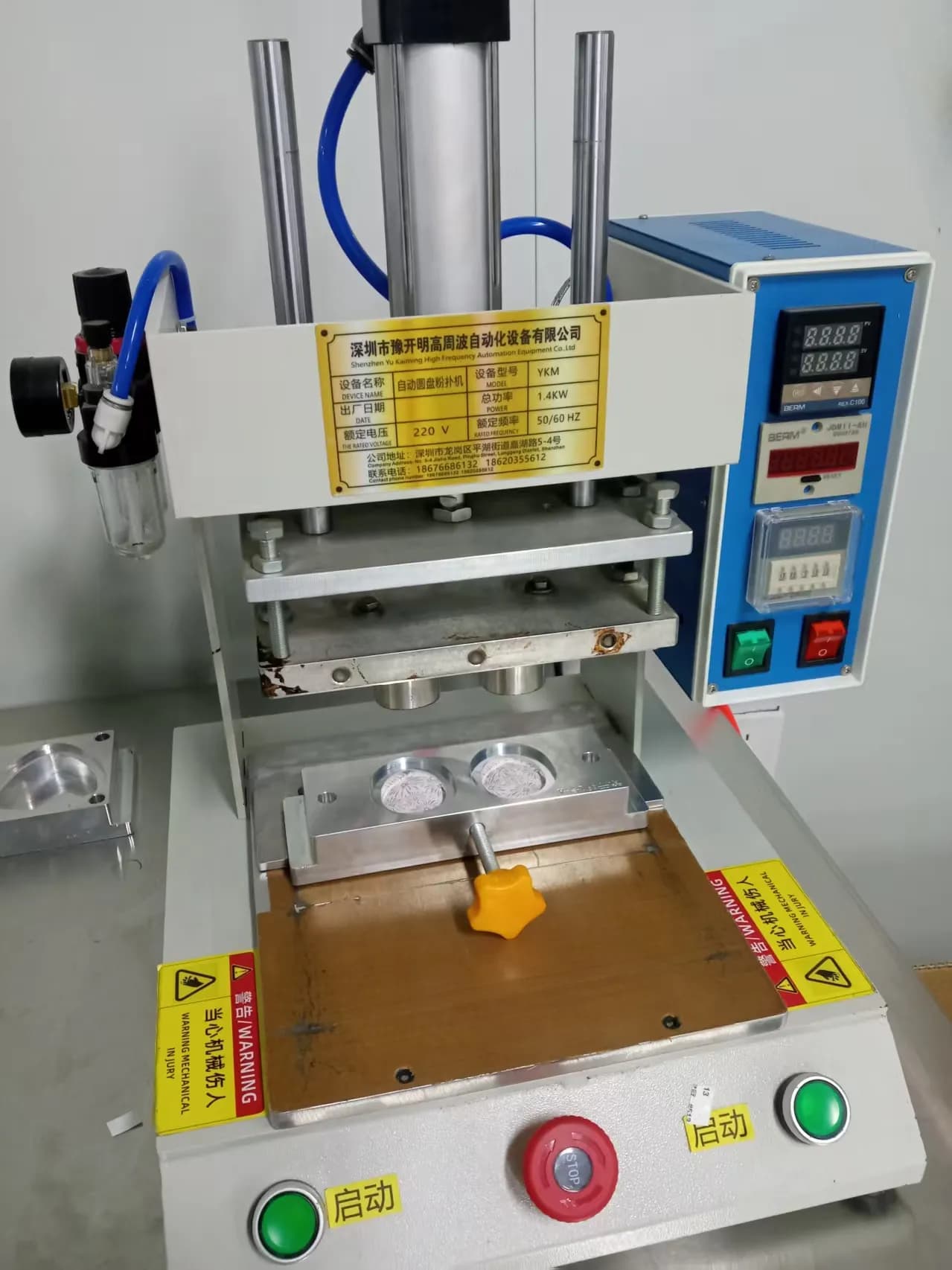
Quality control starts before production
Many B2B quality problems do not come from the final shipment itself. They come from unclear specifications before production. If the buyer and supplier do not define material, size, color, density, packaging, and inspection criteria, both sides may judge the finished goods differently.
For makeup sponges and powder puffs, small differences can matter. A sponge can feel too hard, a puff ribbon can be positioned incorrectly, a color can look different from the brand reference, or packaging can press the product out of shape. These issues are easier to prevent than to solve after production.
Reference sample and written specification
Every OEM/ODM order should have an approved reference sample. The sample should be connected to a written specification: product name, material, dimensions, color, density or hand-feel target, logo position, packaging, carton data, and any special requirements.
If the buyer approves a photo only, risk remains high. Photos cannot fully show softness, rebound, odor, or surface texture. For important projects, physical sample approval is still the safer method.
Incoming and in-process checks
Quality control should not wait until the whole order is finished. Material and color should be checked before full production. During production, the factory should watch shape consistency, cutting or molding quality, surface defects, and contamination.
For puffs, check fabric surface, sponge layer, stitching or edge bonding, ribbon position, print quality, and shape stability. For makeup sponges, check pores, elasticity, wet expansion, color, odor, and surface finish.
Packaging inspection
Packaging is a common source of complaints. Check whether the right packaging version is used, whether the print is clean, whether barcodes scan correctly, and whether the product is protected during transport.
Soft products should not be packed under excessive pressure. If a puff or sponge is compressed for a long shipping period, it may arrive with marks or deformation. Carton packing photos are useful evidence before shipment.
Final random inspection
A practical final inspection should include random carton opening, quantity check, product appearance, size measurement, color comparison, logo check, packaging check, and carton mark check. The inspection level can be adjusted according to order value and buyer requirements.
For large orders, buyers can request additional photos, video inspection, or third-party inspection. The important point is to agree on the method before production, so the factory can prepare accordingly.
How buyers can reduce disputes
Keep all approvals organized: artwork, color reference, sample photos, final sample, packaging proof, carton information, and inspection notes. When a detail changes, confirm it again in writing.
Good quality control is not about blaming the factory after a problem appears. It is about building a clear standard before production begins. That is what makes repeat B2B orders stable and scalable.