
How to evaluate hydrophilic polyurethane makeup sponge quality for private label
A practical sourcing guide for private label buyers: how to judge sponge material, density, rebound, wet expansion, odor, surface pores, packaging fit, and batch consistency before placing a B2B order.
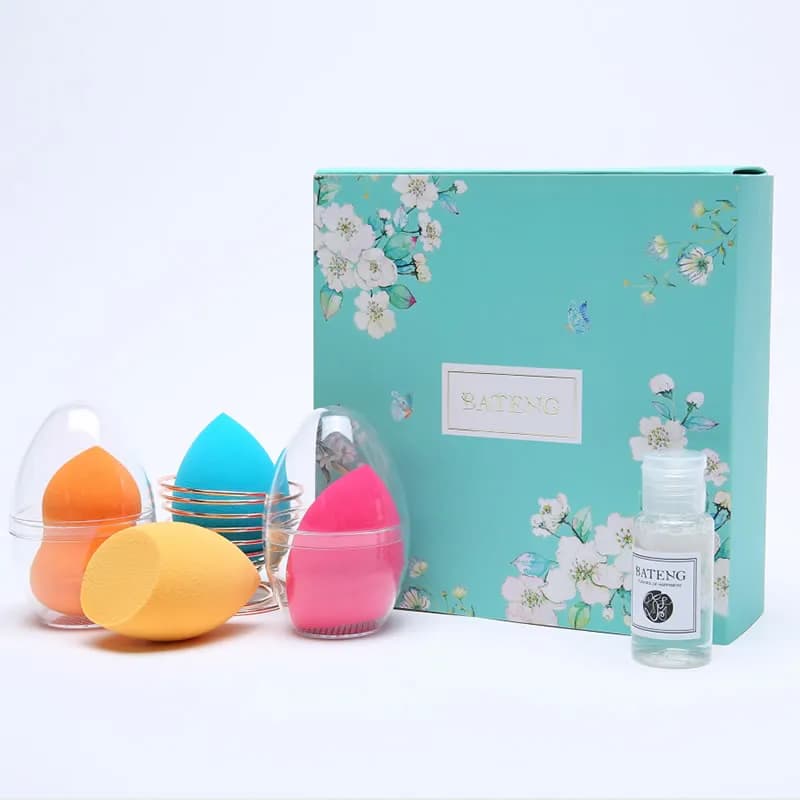
Why this topic matters for B2B buyers
For a consumer, a makeup sponge is a small beauty accessory. For a brand or distributor, it is a repeat-purchase product where consistency decides whether customers trust the line. A beautiful sample is not enough. The key question is whether the same softness, rebound, color, and surface quality can be repeated across thousands of pieces.
Hydrophilic polyurethane is widely used for private label makeup sponges because it becomes softer after wetting, expands visibly, and helps apply liquid foundation more evenly. But not every sponge called hydrophilic PU has the same performance. Density, pore structure, raw material stability, and curing process all affect the final user experience.
Material and density checks
Start with the touch and compression test. A good sponge should feel soft but not loose. When pressed, it should recover smoothly without cracking, folding marks, or delayed deformation. If the density is too low, the sponge may feel cheap and absorb too much foundation. If it is too high, the sponge may feel hard and uncomfortable on the face.
For B2B orders, ask the factory to keep a signed reference sample. The approved sample should define the target density, color, size, shape, and packaging. This avoids the common problem where the sample and the mass-production batch feel different.
Wet expansion and water absorption
Many buyers only check how a sponge looks when dry. That is not enough. A hydrophilic sponge must be tested after wetting because the final consumer often uses it damp. Check whether it expands evenly, whether the surface remains smooth, and whether it returns to shape after squeezing out water.
The sponge should not release a strong odor after wetting. A light material smell can be normal for new foam products, but a sharp chemical smell is a warning sign. For brand orders, this is especially important because odor complaints are easy to receive from end users.
Surface pores and makeup performance
Look closely at the surface. Pores should be fine and relatively even. Large or irregular pores can cause uneven application and higher foundation consumption. A smoother surface usually gives a more refined makeup finish, while a rough surface can drag on the skin.
Ask for photos or videos of the sponge with liquid foundation if the product will be positioned as a premium item. This is not a laboratory test, but it helps sales and product teams judge whether the sponge matches the brand promise.
Private label risks to control
For OEM and ODM projects, the sponge itself is only one part of the product. Logo printing, color matching, individual packaging, inserts, and outer cartons also affect buyer satisfaction. A technically good sponge can still create problems if the logo rubs off, the color differs from the approved sample, or the packaging compresses the sponge during transport.
Before production, confirm the artwork, Pantone reference, print position, packaging dimensions, carton quantity, and carton size. For large orders, request pre-shipment inspection photos showing product color, packaging, carton marks, and random opened cartons.
Recommended buyer checklist
Before confirming a purchase order, prepare a simple checklist: approved sample, sponge material, size tolerance, target color, dry and wet feel, logo requirement, packaging type, carton data, inspection method, and shipment terms. This reduces misunderstanding and gives both sides a practical production standard.
The best supplier is not only the one who can make an attractive sponge. It is the one who can repeat the approved standard in mass production and communicate clearly before problems become expensive.