
Beauty sponge materials: how buyers can compare performance before ordering
A practical way to compare softness, pores, wet use, odor, and material consistency without unsupported claims.
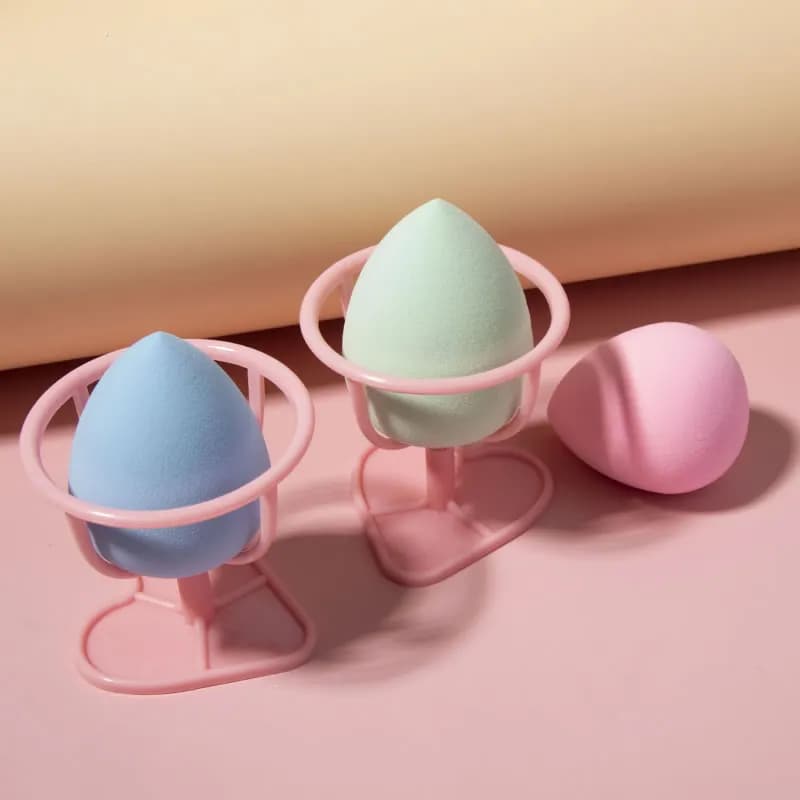
Compare performance, not only material names
One marketing description can cover products with different performance. Instead of comparing only the material name, record softness, density, pore size, rebound, wet expansion, odor, and surface appearance.
If a brand plans to make a specific claim, such as latex-free or compliance with a particular test, confirm it with product-specific documents before printing packaging claims.
Dry and wet checks
A dry sponge shows density, rebound, and surface finish. After wetting, check whether it expands evenly, recovers its shape, and feels comfortable during application. A strong or sharp odor after wetting requires additional investigation.
Surface and makeup consumption
Fine, relatively even pores often make application more predictable, but the result also depends on shape, density, and the cosmetic product. Use the same foundation quantity and technique when comparing samples.
How to record the result
Photograph the dry and wet sample, record size before and after wetting, note the hand-feel, and document the application result. Keep the selected sample as the reference standard and ask the factory to maintain the approved parameters in mass production.