
China-to-Russia beauty tools logistics checklist for buyers
A buyer-side logistics checklist for beauty tools shipped from China to Russia: product data, carton information, trade terms, documents, inspection, and risk control before shipment.
Why logistics should be discussed before production
For beauty tools such as makeup sponges, powder puffs, brushes, and packaged gift sets, logistics cost can change significantly depending on packaging volume. A product that looks inexpensive at unit price may become less competitive if the carton volume is too large or the packaging is easy to deform.
For China-to-Russia B2B orders, the buyer should not wait until production is finished to discuss shipment. The best time to check logistics is before mass production, when carton size, packing method, and trade terms can still be adjusted.
Basic data the supplier needs
Prepare SKU list, order quantity, product dimensions, packaging type, pieces per inner box, pieces per carton, carton size, gross weight, and destination city. Without this information, any freight estimate is only a rough guess.
If the order contains multiple products, ask whether cartons can be mixed or whether each SKU must be packed separately. This affects warehouse handling, customs documents, and final distribution after arrival.
Trade terms to confirm
Common export terms include EXW, FCA, FOB, and CIF. EXW gives the buyer more control but requires stronger logistics coordination. FOB is common when the buyer or forwarder handles international freight. CIF may be convenient when the supplier helps arrange the main transport.
The right term depends on the buyer organization, route, forwarder, and documentation requirements. It should be confirmed in writing before production starts, not after goods are ready.
Documents and compliance
Typical commercial documents include commercial invoice, packing list, product description, and shipping documents according to the selected route. If the buyer needs additional test reports, certificates, or product declarations, these requirements should be shared before production.
For beauty tools, material description matters. Sponge, puff, brush, plastic accessory, and packaging materials should be described clearly so the buyer and logistics partner can prepare the correct import process.
Pre-shipment inspection
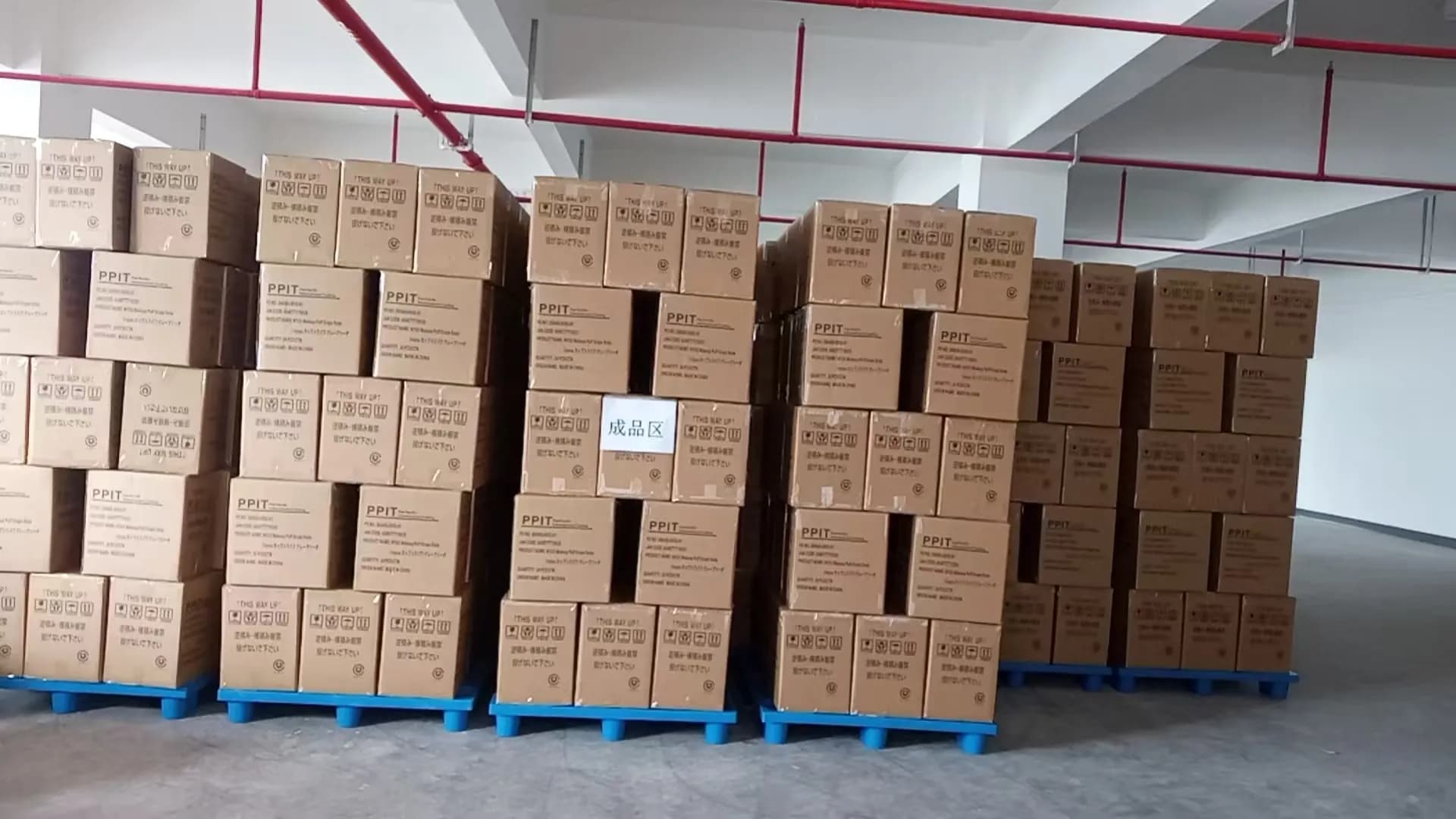
Before goods leave the factory, check carton marks, SKU quantity, packaging condition, product appearance, and random opened cartons. For soft beauty tools, also check whether products are being compressed too tightly.
Photos and videos are useful, but they should be specific. Ask for photos of product, inner packaging, outer carton, carton label, loaded cartons, and any special marks. A simple visual record can prevent many disputes later.
Risk control for Russian buyers
Plan buffer time. International shipments can be affected by route changes, seasonal congestion, document corrections, and local delivery arrangements. If the goods are for a promotion or retail launch, confirm production and shipment timeline with a realistic margin.
The strongest projects are handled as one workflow: product specification, packaging, carton data, inspection, documents, and logistics. When these pieces are connected from the beginning, shipment becomes much easier to control.